Greenford Broadway carpet cleaning guide for residents
If you live near Greenford Broadway, you already know carpets take a beating in ordinary, very local ways: muddy shoes after a wet school run, bits of grit tracked in from the pavement, pet hair in the corners, the odd tea spill that seems to appear out of nowhere. This Greenford Broadway carpet cleaning guide for residents is here to make the whole thing simpler. Whether you want to freshen up a flat, prepare for guests, or deal with a stubborn stain that has been annoying you for weeks, the right approach can save time, money, and a fair bit of stress.
In this guide, you will find a practical overview of how carpet cleaning works, what methods suit different homes, what to expect from a professional visit, and where residents often go wrong. There is no fluff here. Just clear, useful advice, with enough local awareness to be genuinely helpful rather than generic.
If you are comparing services, it can also help to understand related care options such as carpet cleaning, steam carpet cleaning, and specialist treatments like stain removal. They are not all the same, and that matters more than most people think.
Table of Contents
- Why Greenford Broadway carpet cleaning guide for residents Matters
- How Greenford Broadway carpet cleaning guide for residents Works
- Key Benefits and Practical Advantages
- Who This Is For and When It Makes Sense
- Step-by-Step Guidance
- Expert Tips for Better Results
- Common Mistakes to Avoid
- Tools, Resources and Recommendations
- Law, Compliance, Standards, or Best Practice
- Options, Methods, or Comparison Table
- Case Study or Real-World Example
- Practical Checklist
- Conclusion
- Frequently Asked Questions
Why Greenford Broadway carpet cleaning guide for residents Matters
Carpet care sounds straightforward until you actually try to keep a home looking decent day after day. In a busy part of West London like Greenford Broadway, carpets collect more than visible dirt. They trap fine dust, outdoor debris, food crumbs, pollen, pet dander, and the little fibres that come loose from everyday life. You may not notice it at first, but over time it changes how a room feels. The carpet looks duller. The air can feel heavier. The place somehow stops feeling fresh.
That is why a proper carpet cleaning routine matters. It is not just about appearances, although that is part of it. It is also about hygiene, maintenance, and making flooring last longer. Anyone who has ever tried to revive a tired hallway carpet knows the difference between a quick surface tidy and a proper clean. One masks the issue. The other deals with it.
There is also a local reality to consider. Homes around main roads and busy residential streets tend to pick up more grime at the entrance points. Hallways, living rooms, and stairs often show wear first. If you have children, pets, or shared tenancy arrangements, the pace of soiling increases again. Not dramatically every day, but enough that neglect sneaks up on you. Then one day you look down and think, well, that has got worse rather quickly.
Regular cleaning also supports longer carpet life. Dirt particles act a bit like sandpaper when walked on. They wear down fibres slowly, especially in high-traffic areas. So, in practice, cleaning is not only cosmetic. It is part of protecting the flooring you already paid for.
Expert summary: For most residents, the best carpet care plan is a mix of regular vacuuming, prompt stain treatment, and periodic deep cleaning. The exact timing depends on traffic, pets, and the type of carpet, but waiting until the carpet looks bad is usually too late.
How Greenford Broadway carpet cleaning guide for residents Works
At its core, carpet cleaning removes dry soil, sticky residue, allergens, and stains from carpet fibres and backing. The method used depends on the carpet material, the level of dirt, and how quickly you need the room back in use. A typical professional process starts with inspection, then pre-treatment, then agitation or extraction, and finally drying.
Most residents are familiar with the idea of steam cleaning. In the trade, this often refers to hot water extraction rather than literal steam only. Warm or hot water mixed with cleaning solution is injected into the carpet and extracted again with loosened dirt. That is one of the most common deep-clean methods because it can reach well below the surface. But it is not the only option, and to be fair, it is not ideal for every carpet.
Some carpets need low-moisture methods, especially where delicate fibres, tight timeframes, or moisture-sensitive underlay are involved. Others benefit from targeted stain treatment before the main clean. A good technician should be able to explain why a particular method suits your floor rather than simply pushing one process for everything. If they cannot explain it in plain English, that is a bit of a warning sign.
Residents often ask whether they need to move furniture. Sometimes yes, sometimes only the lighter items. It depends on the room layout and the service being booked. There is no universal rule. A professional will usually advise what should be cleared in advance so the clean is efficient and safe.
Another useful point: dry time matters. A carpet that is merely cleaner but stays damp for too long can become inconvenient, and in poor conditions, unpleasant. Good ventilation, sensible water usage, and proper extraction all help reduce this risk. On a damp winter afternoon, that difference is very noticeable.
Key Benefits and Practical Advantages
People usually think about carpet cleaning only when something spills. Fair enough. But the real benefits go further than stain removal.
- Cleaner appearance: Carpets regain colour depth and look less flat or grey, especially in hallways and lounges.
- Improved freshness: Removing trapped odours can make the whole room feel lighter and more lived-in rather than stale.
- Better upkeep: Regular cleaning helps fibres last longer and reduces the need for premature replacement.
- More comfortable living: Clean carpets simply feel nicer underfoot, which sounds obvious, but you notice it immediately.
- Useful for allergy management: While not a medical treatment, removing built-up dust and debris can help create a cleaner indoor environment.
- Property presentation: If you rent, sell, or expect visitors, a freshly cleaned carpet lifts the whole space quickly.
There is also the simple psychological lift. A room that smells clean and looks cared for tends to make the whole home feel more orderly. It is not magic, just one of those small domestic effects that people notice without always naming it.
For many residents, the biggest advantage is time. Stubborn cleaning jobs can swallow a Saturday. A targeted, professional approach often gets better results with less faff. And let's be honest, nobody wakes up excited to scrub a lounge carpet on a cold morning.
Who This Is For and When It Makes Sense
This guide is useful for a wide range of Greenford Broadway residents, but a few groups will find it especially relevant.
Families with children often need more frequent carpet care because of spills, crumbs, and heavy foot traffic. A family room can go from tidy to tired surprisingly quickly.
Pet owners know the struggle already. Hair, muddy paws, odours, and the occasional accident all create extra work. In that case, a service that includes pet stain and odour removal can be more practical than a general clean alone.
Renters and landlords may need carpet cleaning before a move-out, inventory check, or new tenancy. In those cases, consistency matters. A half-done job can become a dispute point later on. No one needs that drama.
Older homes and long-term residents often benefit from periodic deep cleaning because carpets collect years of accumulated dust and wear. If the carpet has not been professionally cleaned in a long while, you may be surprised by how much difference one visit makes.
People with limited time may simply want a cleaner home without spending all weekend at it. That is valid. A practical service makes life easier, and there is nothing glamorous about pretending otherwise.
If you are unsure whether your carpet needs attention now or later, ask yourself three things: does it look dull, does it smell slightly stale, or does the main traffic area feel rougher than the rest? If the answer is yes to any of those, the timing probably makes sense.
Step-by-Step Guidance
Here is a straightforward way to approach carpet cleaning without overcomplicating it.
1. Inspect the carpet properly
Look at the carpet in daylight if possible. Check the edges, the high-traffic zones, under furniture, and around the room entrance. Mark any stains, damp patches, or worn areas. This gives you a realistic picture of what needs doing. It also stops you missing the awkward little patch near the skirting board that always gets overlooked.
2. Vacuum thoroughly
Vacuuming removes dry dirt before any wet cleaning begins. That matters because wetting loose dust can create muddy residue. Go slowly, especially in walkways and along the edges. If the carpet is deeply embedded with grit, a second pass may help.
3. Treat stains before the main clean
Different stains behave differently. Food, drink, grease, mud, and pet accidents each need a tailored approach. Blot, do not rub. Rubbing can push the stain deeper and roughen the fibres. If you are using a household product, test it first in an inconspicuous spot. Small detail, big difference.
4. Choose the right cleaning method
For many homes, hot water extraction is a strong option. For delicate materials or quick turnaround needs, a lower-moisture method may suit better. If the carpet is wool, a textured loop pile, or especially old, it is wise to be cautious. A professional should assess this before starting.
5. Let the carpet dry fully
Drying is not a side issue. It is part of the job. Open windows where practical, use ventilation, and avoid heavy foot traffic until the carpet is properly dry. Walking on a damp carpet can flatten fibres and bring dirt back in from shoes. Annoying, but true.
6. Finish with maintenance
Once the carpet is clean, keep it that way for longer with regular vacuuming, quick spill response, and entry mat use. It sounds basic because it is. Basics work.
| Stage | What to do | Why it matters |
|---|---|---|
| Inspection | Check stains, wear, and traffic lanes | Helps choose the right method and avoid surprises |
| Vacuuming | Remove dry dirt and grit | Improves cleaning results and reduces residue |
| Pre-treatment | Target stains before deep cleaning | Increases the chance of successful stain removal |
| Main clean | Use extraction or a suitable low-moisture method | Removes embedded soil and freshens fibres |
| Drying | Ventilate and limit foot traffic | Prevents lingering dampness and re-soiling |
Expert Tips for Better Results
A few small choices can make a surprisingly large difference.
- Act fast on spills. The first minute matters more than people expect. Blot gently with a clean cloth and avoid smearing the stain outward.
- Work from the outside in. This is true for spot treatment and for thinking about the room as a whole. Start at the edges, then move through the traffic lanes.
- Mind the fibre type. Wool, synthetic blends, and specialist carpets react differently to moisture and cleaning solutions. One-size-fits-all advice can go wrong.
- Use entry mats. They trap grit before it enters the carpet. Not glamorous, but very effective.
- Schedule cleaning before a carpet looks terrible. This keeps maintenance easier and helps avoid permanent marking.
- Check drying conditions. A warm, ventilated room dries faster. A cold, closed-up room does not. Simple as that.
If you are comparing methods, it can also help to explore supporting services such as rug cleaning or upholstery cleaning. Rooms tend to look best when the textiles work together. A spotless carpet next to a grubby sofa does not quite land, does it?
One practical tip many residents overlook: check the weather and your schedule. If you are expecting a busy day of comings and goings, it may not be the best time for deep carpet cleaning. A quieter day makes the whole process calmer and cleaner.
Common Mistakes to Avoid
People often make the same few errors, and to be fair, they are understandable. Carpet cleaning can feel like one of those jobs where more effort should mean more success. Not always.
- Using too much water: Saturating the carpet can slow drying and leave residue behind.
- Scrubbing stains aggressively: That can damage the pile and spread the stain further.
- Skipping vacuuming before cleaning: Loose dirt turns into sludge if it is not removed first.
- Assuming every product suits every carpet: Some solutions are too harsh for delicate fibres or dyes.
- Leaving stains too long: Older marks are harder to lift and may need specialist treatment.
- Forgetting about odour sources: A carpet can smell cleaner but still have a hidden issue underneath, especially near pet areas or damp spots.
- Choosing on price alone: Cheapest is not always best if it means poor extraction, weak stain handling, or rushed work.
A common one in homes around busy roads is ignoring entrance areas because the rest of the room looks okay. Those patches often collect the most dirt, so if you only clean the obvious centre of the room, you are missing the real problem.
Tools, Resources and Recommendations
You do not need a shed full of equipment to care for carpets properly, but a few basics help a lot.
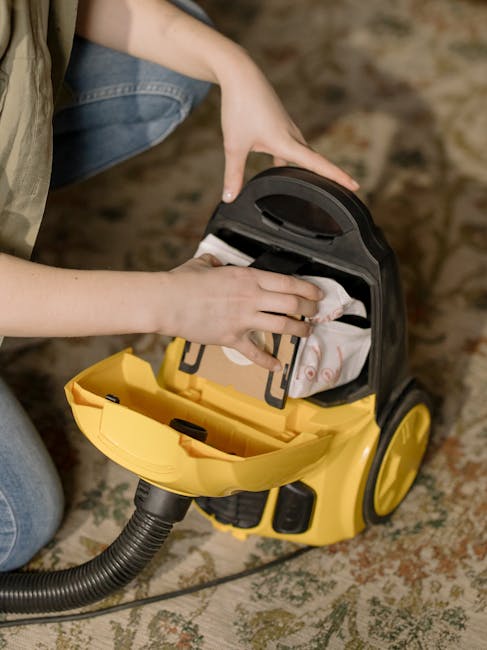
- A quality vacuum cleaner with good suction and a brush setting suitable for your carpet type.
- Clean white cloths or paper towels for blotting spills without transferring dye.
- A soft brush for gently lifting soil from the pile, if appropriate for the carpet.
- Neutral carpet-safe cleaner for spot treatment, used sparingly and with a test patch first.
- Good ventilation from open windows or airflow after cleaning.
- Entry mats and shoe habits to reduce ongoing dirt coming indoors.
When choosing a professional, look beyond the headline service. Ask what cleaning method they recommend for your carpet type, whether they deal with specific stains, how they handle drying, and what preparation they expect from you. A proper provider should answer plainly and without turning it into a sales script.
If cost is part of your decision, you may find it useful to read about pricing and quotes as well as this related overview of real carpet cleaning costs in Greenford. Even if you are not ready to book, understanding the pricing structure makes the conversation much easier.
For homeowners who care about the wider household, recycling and sustainability can also matter when thinking about cleaning choices and waste handling. Small detail, yes, but a meaningful one for many residents.
Law, Compliance, Standards, or Best Practice
For residential carpet cleaning, the main concern is usually not legal complexity but sensible best practice. Still, there are some important expectations worth understanding.
Any cleaner working in your home should operate safely, use suitable products, and handle equipment in a way that protects your property and the people in it. If a provider is handling water, chemicals, or electrical equipment, there should be clear procedures around safety and insurance. That is just common sense, really, though common sense is not always as common as we would like.
It is reasonable to ask about public liability cover, safeguarding of furnishings, and how the company manages accidental damage or complaints. You do not need a legal lecture. You just need confidence that problems are taken seriously. A reputable business should be willing to talk through this without getting defensive.
If you are booking alongside move-out cleaning or preparing a property for new occupants, it is also wise to check tenancy obligations and any expectations from your landlord or letting agent. Carpet condition can become part of a deposit discussion, so keeping records and before-and-after evidence can be helpful.
Good practice also means respecting product labels, ventilation guidance, and drying instructions. If a cleaner says the carpet should remain unused for a period, follow that. Rushing it can undo the work. And nobody wants footprints across a nearly finished clean. That sort of thing happens fast.
For peace of mind, you may also want to review pages such as insurance and safety and health and safety policy before arranging a visit.
Options, Methods, or Comparison Table
Different carpet cleaning methods have different strengths. The right choice depends on fibre type, soil level, and how quickly you need the room back in use.
| Method | Best for | Pros | Watch out for |
|---|---|---|---|
| Hot water extraction | General deep cleaning, embedded dirt, many household carpets | Strong cleaning power, widely trusted, handles larger areas well | Longer drying time if overused or poorly extracted |
| Low-moisture cleaning | Quick turnaround, some delicate carpets, lightly to moderately soiled areas | Faster drying, less water used | May be less effective on heavy soil or old stains |
| Spot treatment | Specific stains and small problem areas | Targeted, efficient, often cost-effective | Not a substitute for full cleaning when the whole carpet is dirty |
| Dry compound methods | Some commercial or moisture-sensitive settings | Very low moisture, useful in certain cases | Not ideal for every residential carpet and stain type |
For most homes, the choice comes down to this: if the carpet is generally dirty, go for a proper deep clean; if the issue is a single spill, targeted treatment may be enough; if drying time is tight, ask about lower-moisture options. Simple. Not always easy, but simple.
Residents comparing broad fabric care can also look at related services like sofa cleaning and curtain cleaning when trying to freshen a whole room at once. Often, the room feels better when all the textiles are treated together rather than one by one.
Case Study or Real-World Example
Here is a realistic example based on the sort of job that comes up often in local homes.
A family in a busy flat near Greenford Broadway had two problems: a hallway carpet that looked grey around the edges, and a living room carpet with a couple of drink marks and a general stale smell after winter. They had been vacuuming, but only in the quick "top of the carpet" way, which is understandable when life is busy. Between school shoes, a pushchair, and a small dog, the carpet was taking daily punishment.
The sensible approach was not to attack every stain with one strong product. First came a proper inspection and vacuum. Then the high-traffic areas were pre-treated, followed by a full clean suited to the fibre type. The hallway needed extra attention because that was where grit had built up most. The living room cleaned up well, but the older drink mark took more time than the fresher one. That is normal, by the way. Stains do not all play fair.
After drying, the carpet looked more even in colour and felt softer underfoot. The biggest change was probably the smell. Nothing fancy, just that clean, neutral feeling you notice when a room stops holding on to old odours. The family also kept the result going longer by putting a mat at the entrance and dealing with spills straight away rather than waiting until "later", which usually means never.
The point of the example is not that every home will be identical. It is that the cleaning plan should match the problem. A hallway, a pet area, and a living room sofa all need slightly different thinking. One size rarely fits all.
Practical Checklist
Use this checklist before and after cleaning. It keeps the job neat and avoids the little oversights that turn into annoyances later.
- Identify the carpet material if you can.
- Check for stains, odours, and high-traffic zones.
- Vacuum thoroughly before any wet cleaning.
- Move small items and fragile objects out of the way.
- Test cleaning products on a hidden patch first.
- Use blotting rather than rubbing on stains.
- Allow enough drying time and ventilation.
- Avoid walking on damp carpet where possible.
- Review the final result in good light.
- Set a simple maintenance routine for the following weeks.
Quick reminder: if the room needs more than one type of treatment, tackle the source of the problem first. Odour, stain, and wear are not always the same issue, even if they appear together.
Conclusion
Carpet cleaning for residents near Greenford Broadway is not just a housekeeping chore. It is part of keeping the home comfortable, presentable, and easier to live in. The best results usually come from a mix of regular maintenance, sensible stain treatment, and the right deep-clean method for the carpet you actually have, not the one in a generic brochure.
If you remember one thing from this guide, let it be this: act early, choose the method carefully, and do not underestimate the value of proper drying. Those three habits solve a lot more problems than people expect. And if you are unsure where to start, that is normal too. Many residents are. The good news is, once you understand the basics, carpet care stops feeling like a mystery and starts feeling manageable.
Get a free quote today and see how much you can save.
Take it one room at a time, keep the routine simple, and your carpets can stay fresher for much longer. That little bit of calm underfoot does more for a home than people often realise.
Frequently Asked Questions
How often should residents on Greenford Broadway clean their carpets?
It depends on use. A busy family home or pet household may need more frequent deep cleaning than a low-traffic flat. Regular vacuuming should happen weekly or more often, while deep cleaning is usually best done periodically based on wear, stains, and odours.
What is the best carpet cleaning method for most homes?
Hot water extraction is often a strong all-round choice for residential carpets because it reaches deep into the fibres. That said, some carpets do better with a low-moisture method, especially if drying time is limited or the fibres are delicate.
Can carpet cleaning remove old stains completely?
Sometimes yes, sometimes not fully. Older stains may have set into the fibres or backing, which makes them harder to lift. A professional treatment can still improve them significantly, but it is best to treat spills quickly for the best chance of full removal.
How long does carpet take to dry after cleaning?
Drying time varies by method, room temperature, ventilation, carpet thickness, and how much water was used. Good airflow helps a lot. In practice, carpets cleaned with higher-moisture methods usually take longer than low-moisture cleans.
Do I need to move furniture before a carpet clean?
Sometimes only light furniture needs moving, and sometimes larger items stay in place. It depends on the service and room layout. Ask in advance so there are no surprises on the day.
Is professional carpet cleaning worth it compared with DIY cleaning?
For surface refreshes, DIY can be fine. For deep soil, stubborn staining, or larger rooms, a professional clean usually gives better extraction and more consistent results. It often saves time as well, which is no small thing.
Will carpet cleaning help with pet odours?
Yes, if the odour source is in the carpet fibres or surface residue. For stronger pet issues, you may need a specialist treatment that targets both stain and smell rather than a general clean alone.
Are there any risks to over-wetting a carpet?
Yes. Over-wetting can slow drying, leave residue, and in some cases contribute to odour or fibre distortion. That is why the method and the technician's process matter. More water is not automatically better.
What should I ask before booking a carpet cleaner?
Ask what cleaning method they recommend, how long drying is likely to take, whether they deal with specific stains, and what preparation they need from you. It also helps to ask about insurance and aftercare guidance.
Can carpet cleaning help if the carpet just looks dull, not dirty?
Absolutely. Carpets often hold fine soil that changes the colour and texture before obvious staining appears. A proper clean can restore brightness and make the room feel more cared for without replacing the carpet.
Is it better to clean carpets before or after redecorating?
If you are painting or making dusty changes, it is often better to clean after the messiest work is finished. That way the carpet stays fresher for longer and does not catch dust from the redecorating process.
How can I keep carpets cleaner for longer after a professional visit?
Use mats at entrances, vacuum regularly, deal with spills quickly, and avoid outdoor dirt being walked in where possible. Small habits add up. Honestly, that is where most of the long-term difference comes from.